The Need to Feed the Obsession: A Life Built Around Surfing
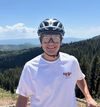
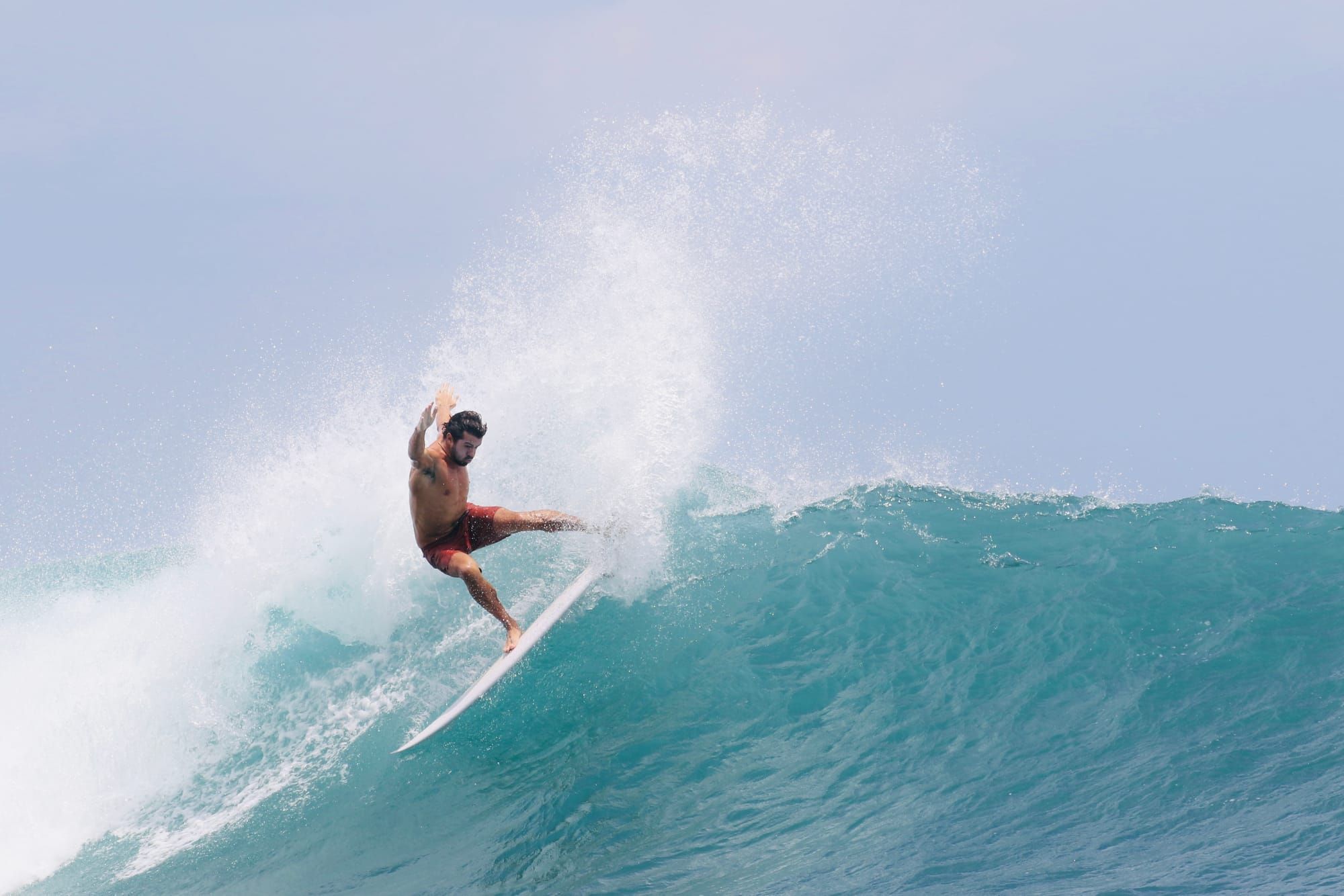
He was in the Maldives when he took my call. He’d just sat down to work after surfing for a few hours.
I’d discovered him on Instagram a few months back. At the time, he was in Indonesia, planning to stay a few more weeks. The first video of his I saw opened on him prepping for a session with text over it: change the question from “how can I make a lot of money” to “how much can I do what I love while becoming wealthy.” The latter half played over clips of him surfing. It stuck with me enough that I started trying to figure out how to live that way myself. I wanted to know what would make someone rearrange their whole life around a sport.
“It’s just you and this sport… I think it’s a translation of freedom.”
That’s how Fernando Frances, a 30-year-old software engineer from Madrid, describes surfing. It’s a bold line coming from someone who grew up four and a half hours away from the nearest break.
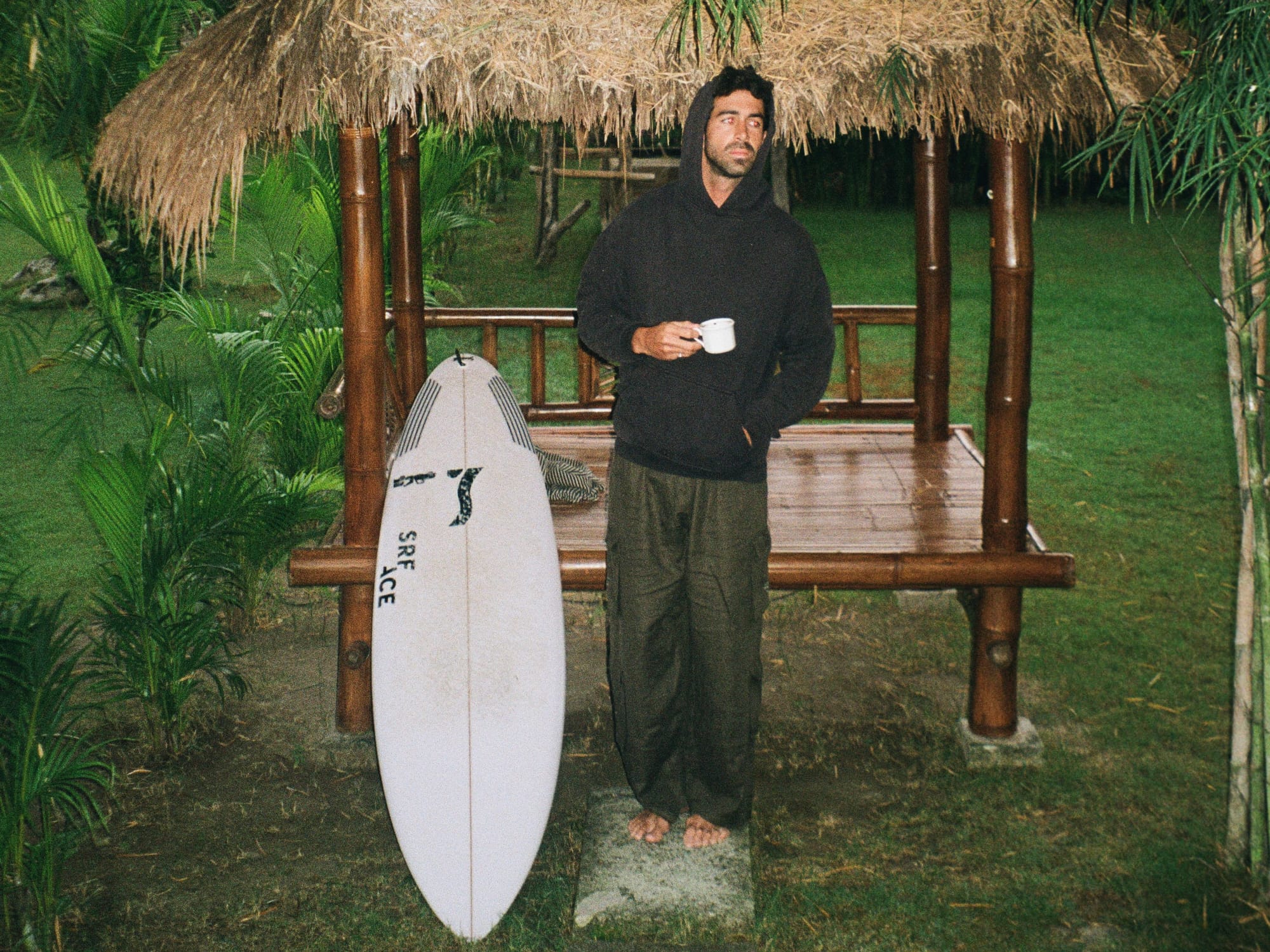
He grew up skateboarding, but by 20, he’d given it up after too many injuries. Only by chance did he find what was next.
At a party, Fernando ran into a guy who used to skateboard and now surfed. He extended an invitation for Fernando, who’d never surfed, to join him on a surf trip to Portugal soon.
“I was hooked first session. I thought, okay, this is it,” he said. Surfing gave him back what skateboarding had. “That’s how the obsession started, because it’s nothing other than an obsession.”
But it’s not particularly easy to feed an obsession like that while living in Madrid.
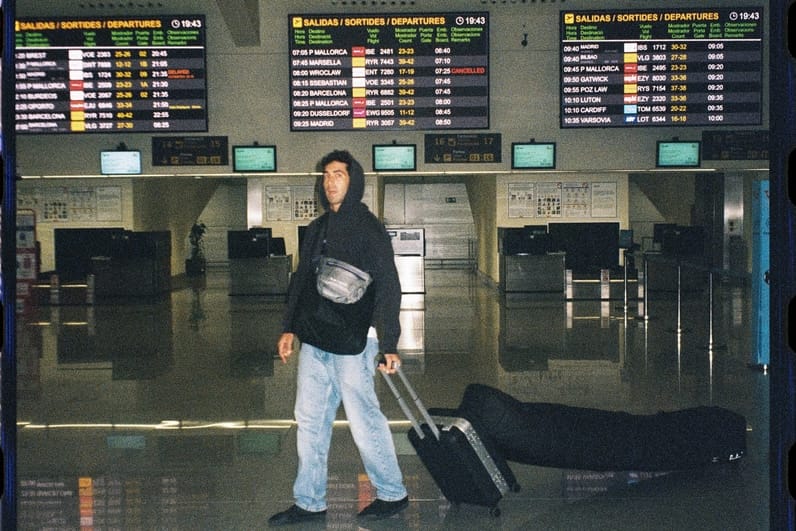
So he did what any logical surfer would do and built his entire life around it. He was already in a field that allowed him to work remotely, but surfing is what made that the goal. “If I wasn’t surfing, for sure it wouldn’t have been so important,” he noted. When one of his job’s conditions didn’t suit him, he found a different job that did. “I have to thank surfing for having a remote job. I prioritized that over all things.” He’d changed the question from whether he could work and surf to just how much surfing he could fit around a full-time job.
The proof is all over his Instagram. Scroll back to July and he’s in Indonesia. Come September, he’s training at Nazaré. And by October, he’s in the Maldives. That’s three world-class surf destinations in just four months. Most surfers dream of surfing even one. He hit all three while working full-time.
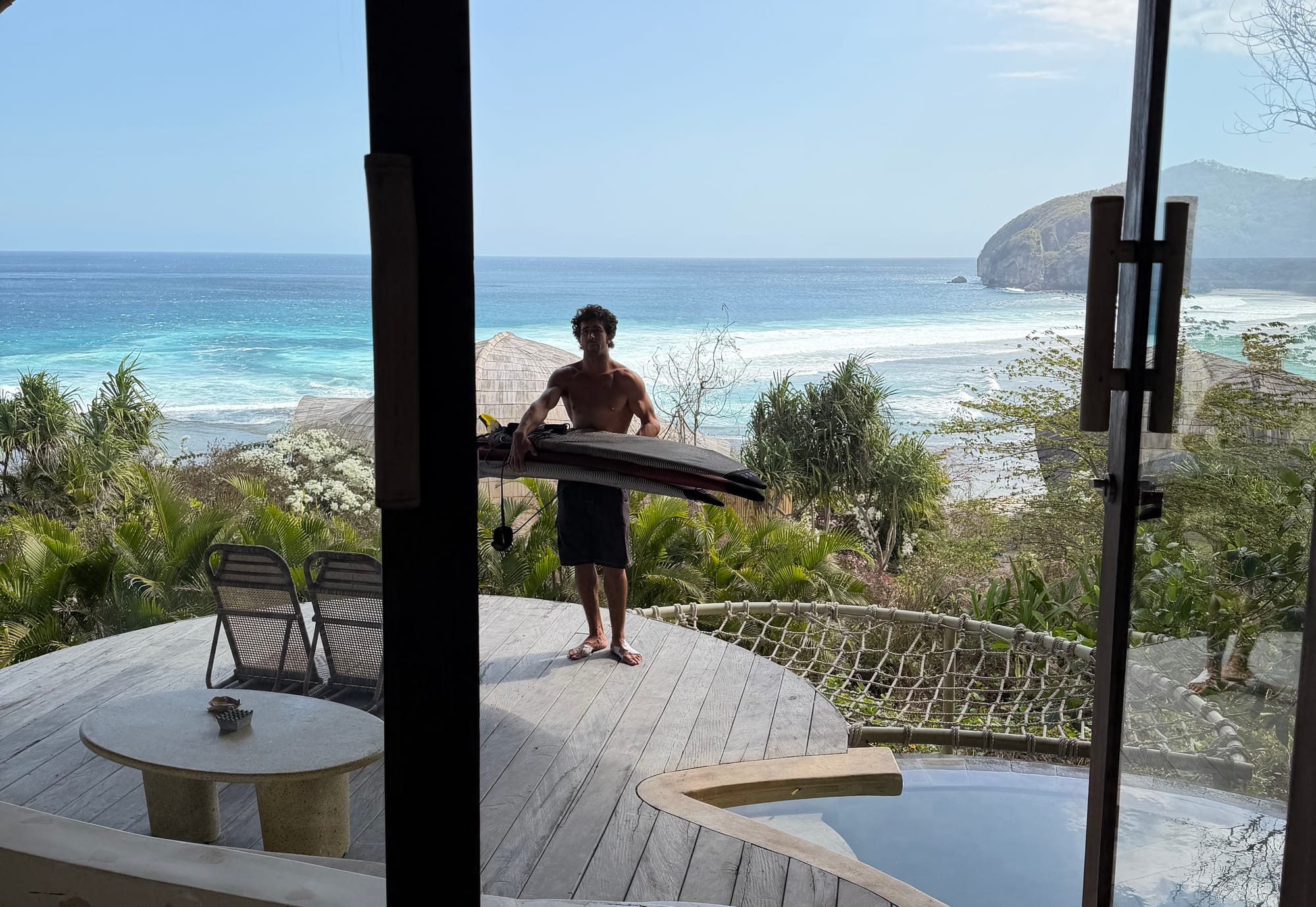
He does enjoy the work itself, though. “It’s entertaining because you get to be creative,” he said, stressing how important being creative is to him. But he doesn’t pretend that it’s his passion. “If I already had the money and I didn’t have to work, I think I wouldn’t do this,” he said.
Surfing is the opposite. He’d do it for nothing.
“We are told that we need all these things to be happy, all this money, all this status,” he said. Surfing levels all of that. It connects him to nature and his inner child, and that keeps him creative, which he sees as a key to being happy.
This might sound at odds with the first video I saw of his. But it isn’t. I knew his idea of wealth was never about fancy cars or flashing possessions online. It meant the same thing to him as it does to me: the freedom to pursue the things that make life worth living. Money isn’t the objective; it just pays for more time in the water.
He doesn’t do it for anyone else, either. He loves getting clips and posting them, but they only cover a sliver of the trip. He’ll usually have a videographer or photographer lined up to shoot a few sessions, and the rest of the time he’s alone and nobody’s filming. “I would do it, no cameras,” he said. “I would keep doing it by myself.”
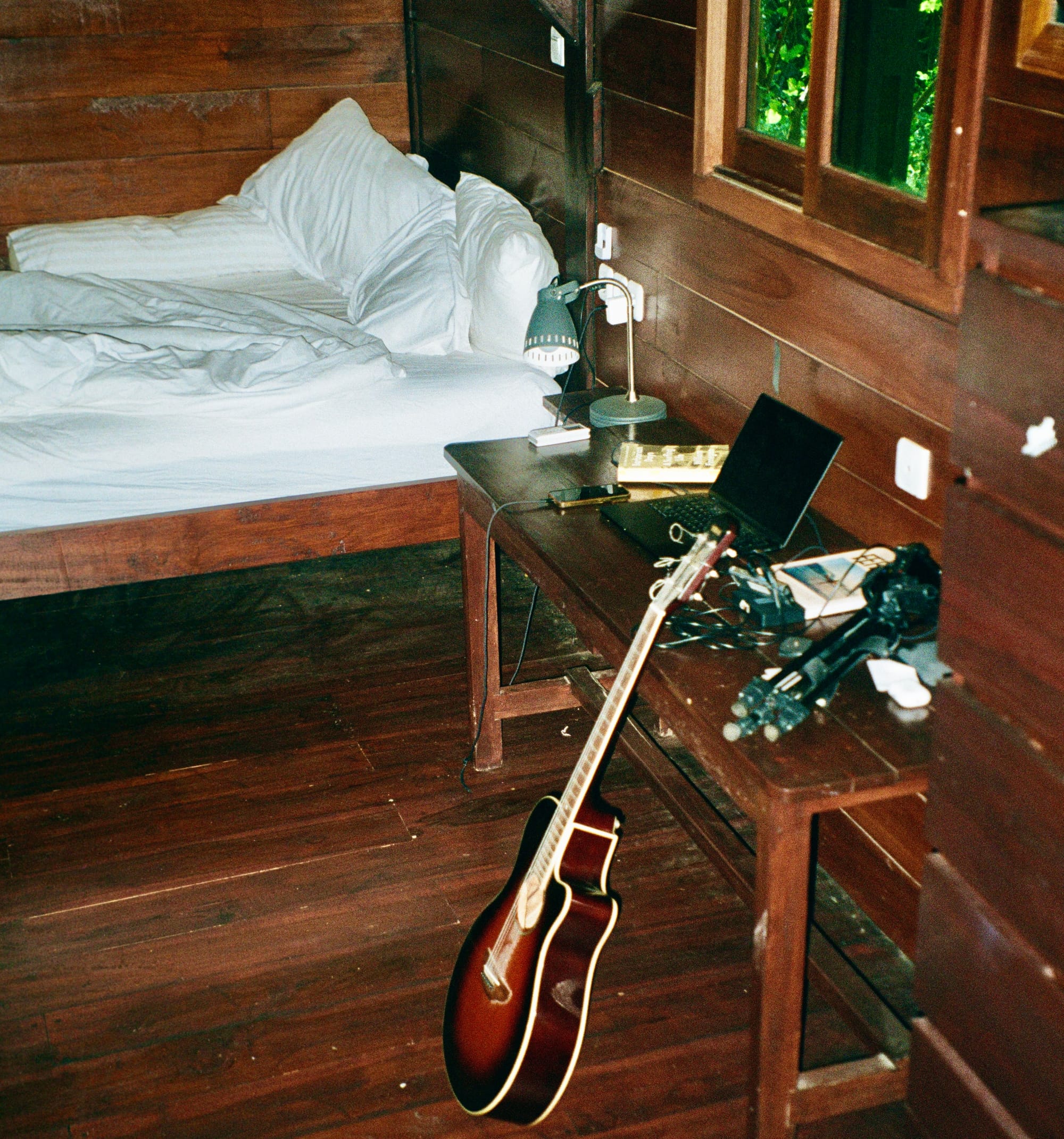
His travels aren’t all play, despite how it might seem. Mixed in with the surf clips on his feed are videos of his work setup. “It’s not like going on holiday for 10 days,” he said. He has real commitments and a job that funds his lifestyle. A lot of surfing gets done, but what most people don’t see is the hours of work he puts in outside of the water. “It’s a different kind of travel.”
Another cost of living out of a board bag is the constant movement and change. “Sometimes I miss friends, sometimes I miss family,” he said. But he’s made many friends who live the same way, and he describes their paths crossing as “super intense.” His answer to the rest is staying grounded. “Wherever I am, I’m going to be present in what I’m doing and present with the people,” he said.
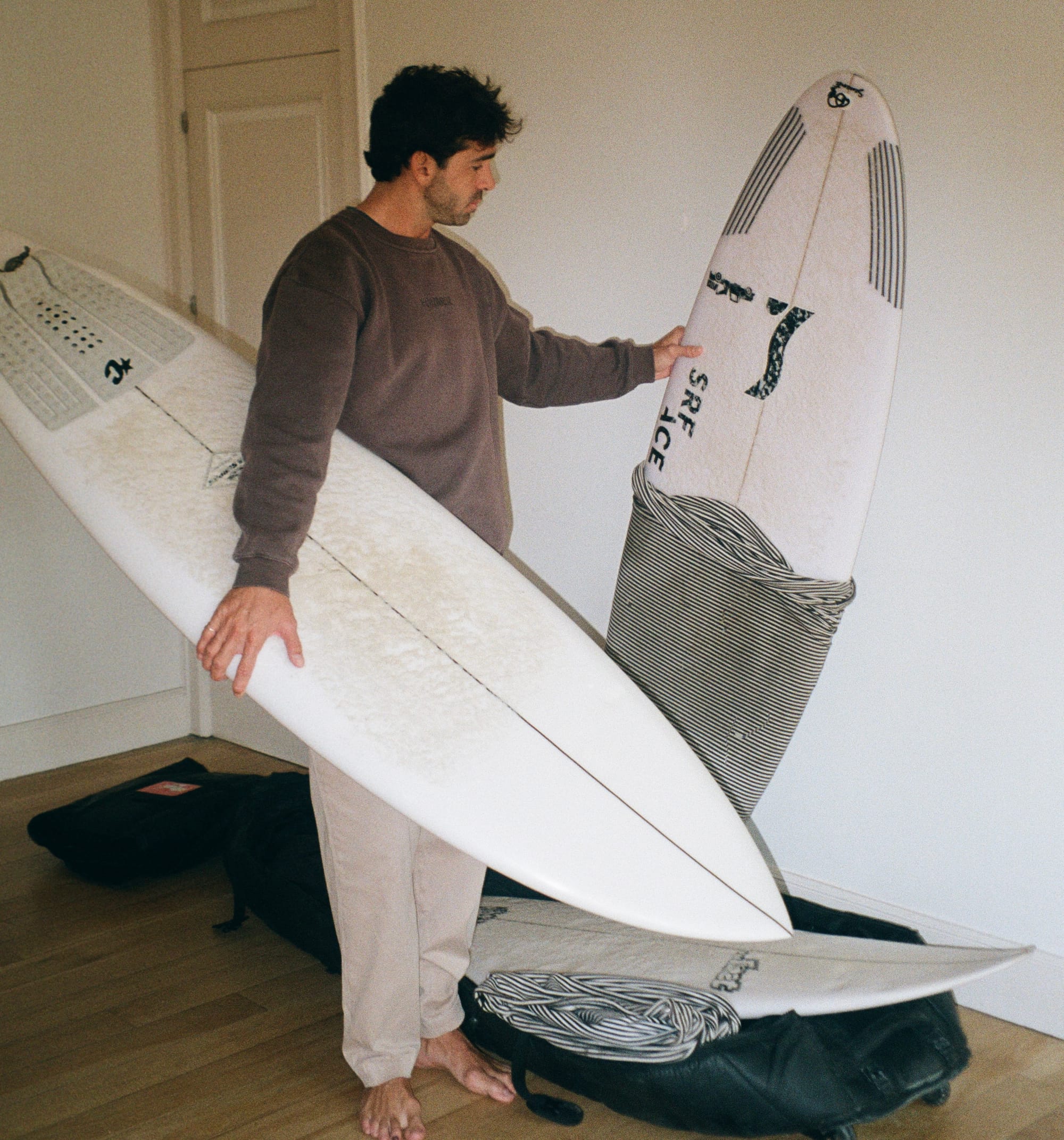
Ten years after that first surf in Portugal, he’s still pursuing what brings him the most purpose. “I feel so lucky that I found surfing,” he said. But luck only got him to Portugal. Everything after that was his choice.
When I first found Fernando’s video, I wanted to know how to live that way myself. I didn’t know what to expect before talking to him. He was able to fit me in his schedule between sessions and work, yet he never rushed an answer. Every explanation was long and thoughtful. I came in looking for the blueprint, but he kept talking about how surfing makes him feel and how it has changed his life for the better. That’s when I realized I was looking at it all wrong. So near the end, I asked him what surfing means to him.
“I think it’s pure. And that’s what it means to me.”
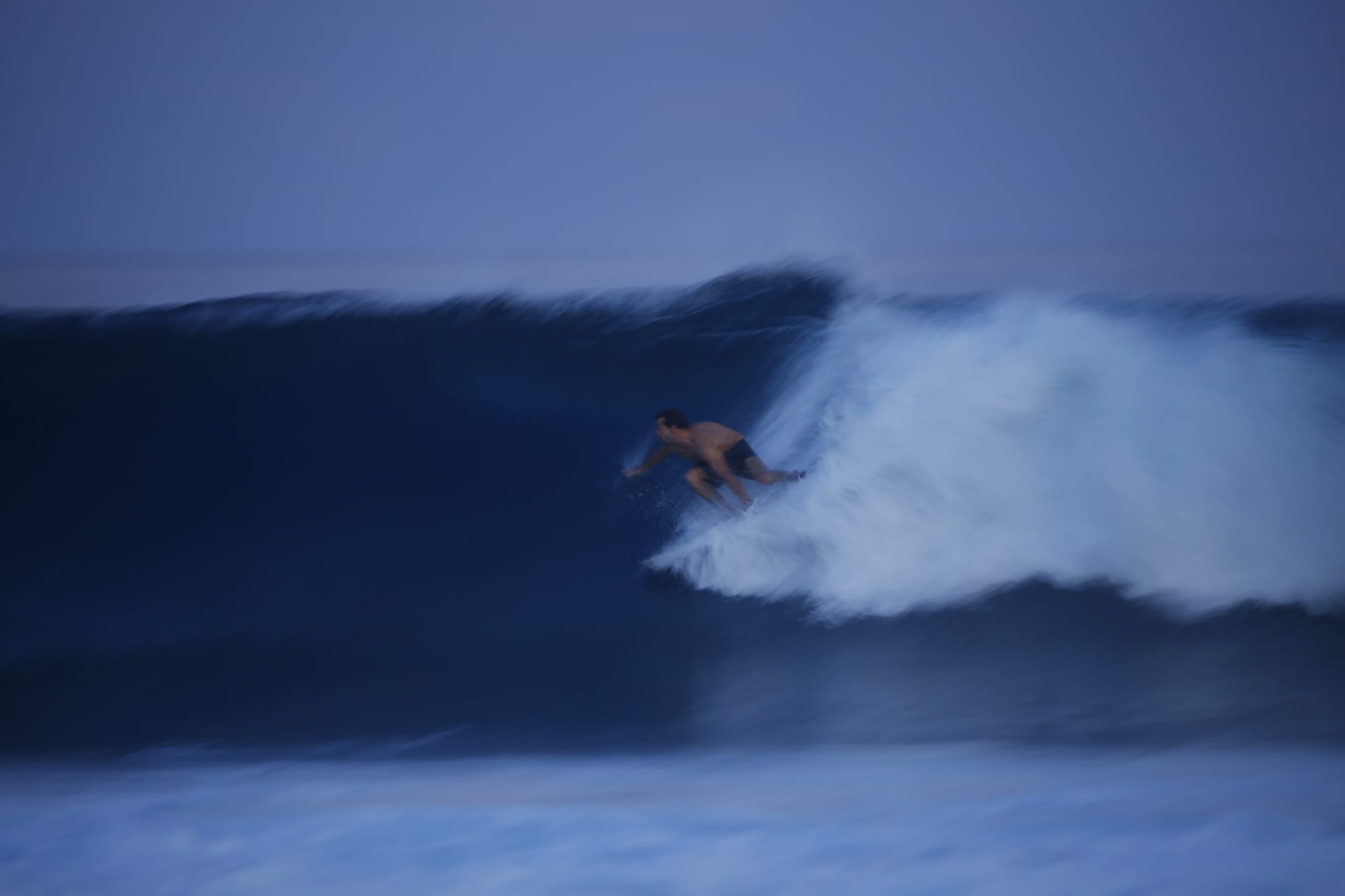
All other photos courtesy of Fernando Frances.